You’ve invested a lot into your cows – hay, silage and feed and what comes out the other end is full of nutrients, the best fertiliser you can get. With a bit of TLC, your pond will pay you back.
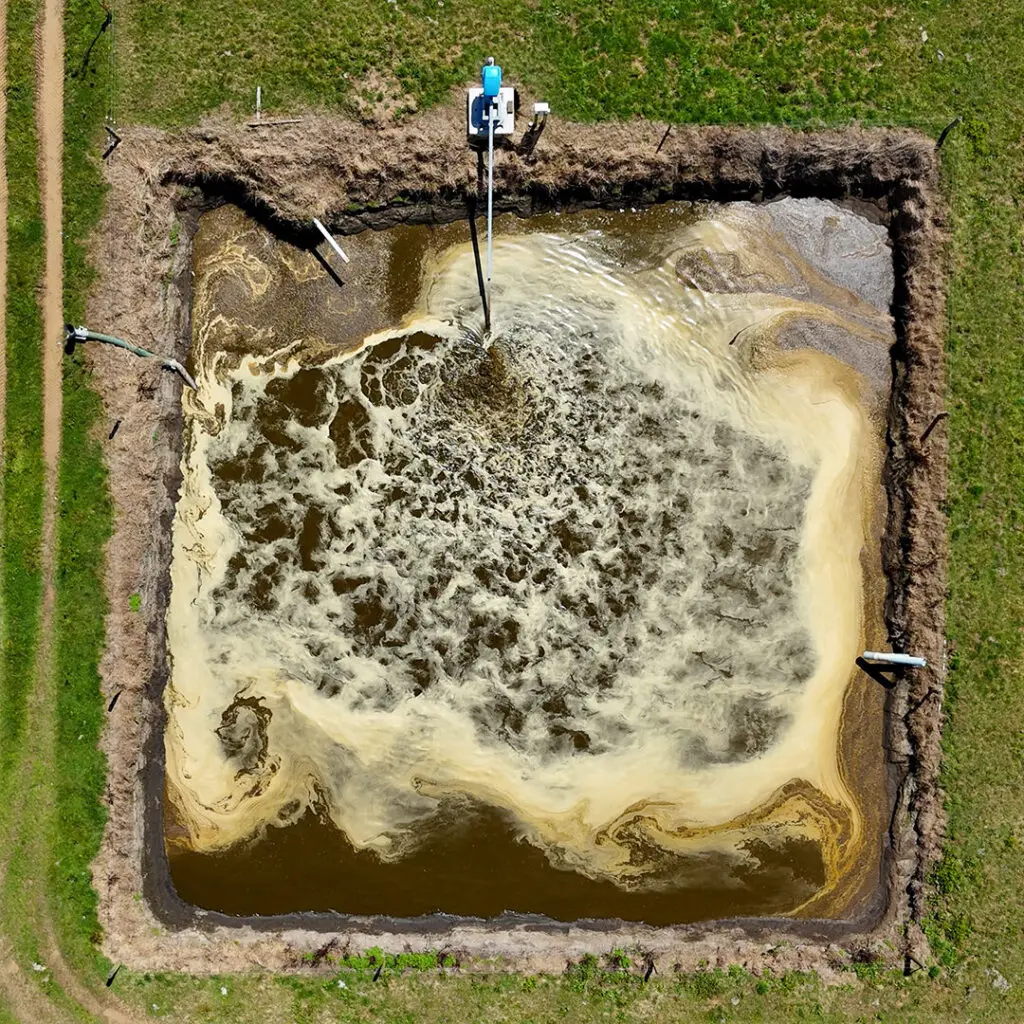
Your pond is just like a washing machine, if you don’t agitate the contents, it’s not going to perform. Well-mixed effluent is nutrient-rich; a well-mixed pond will not lose capacity.
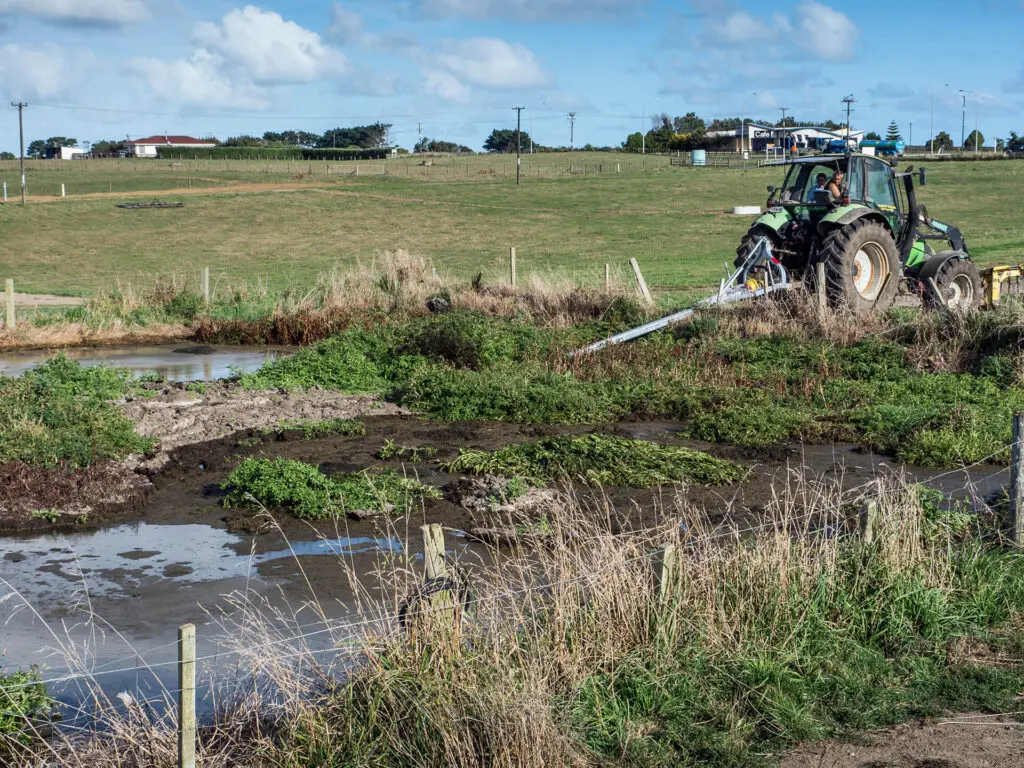
When your pond starts to crust over, it is a sure sign that the solids in the effluent are separating. The fibrous material floats to the top and begins forming a thick crust.
A good rule of thumb is that if you have around 500 mm of crust on the surface, you will often have twice that amount of settled material on the bottom. In a three-metre-deep pond, this can mean losing close to half your storage capacity.
All that grass, reeds, and weeds growing on top demonstrate the high nutrient value of the slurry. Those nutrients are far more valuable when applied evenly across your paddocks than when they are locked in a surface crust.
As solids accumulate at the bottom and a crust forms on the surface, storage calculations quickly become unreliable, making the pond even harder to manage.
When farmers start looking into installing a stirrer, the first question is usually about the ROI of a pond stirrer.
The reality is that a properly mixed pond helps recover nutrients, prevents expensive clean-outs, and maintains storage capacity. When these benefits are considered together, a stirrer often pays for itself faster than many people expect.
Avoiding contractor costs for cleaning out a heavily clogged pond alone can justify the investment. Add the ability to maintain storage capacity and recover more nutrients from the effluent, and the financial return becomes even clearer.
One hour of mixing before application keeps the solids in suspension. This has two benefits.
Firstly, it makes the slurry much easier to pump. There will be no sudden rush of solids that can create blockages. Instead, the mixture flows consistently through the system.
Secondly, it ensures that the mixture applied to paddocks contains the nutrients needed for grass growth. Proper mixing ensures that the nutrients are evenly distributed across the farm.
Regular stirring also prevents the build-up of solids on the bottom of the pond. What you don’t want to do is leave the pond to itself. It only takes around an hour for solids to start separating and settling again. Over time, this builds up, eventually creating an expensive problem to fix.
Maintaining consistent mixing helps prevent this accumulation and is a key contributor to the long-term ROI of the pond stirrer.
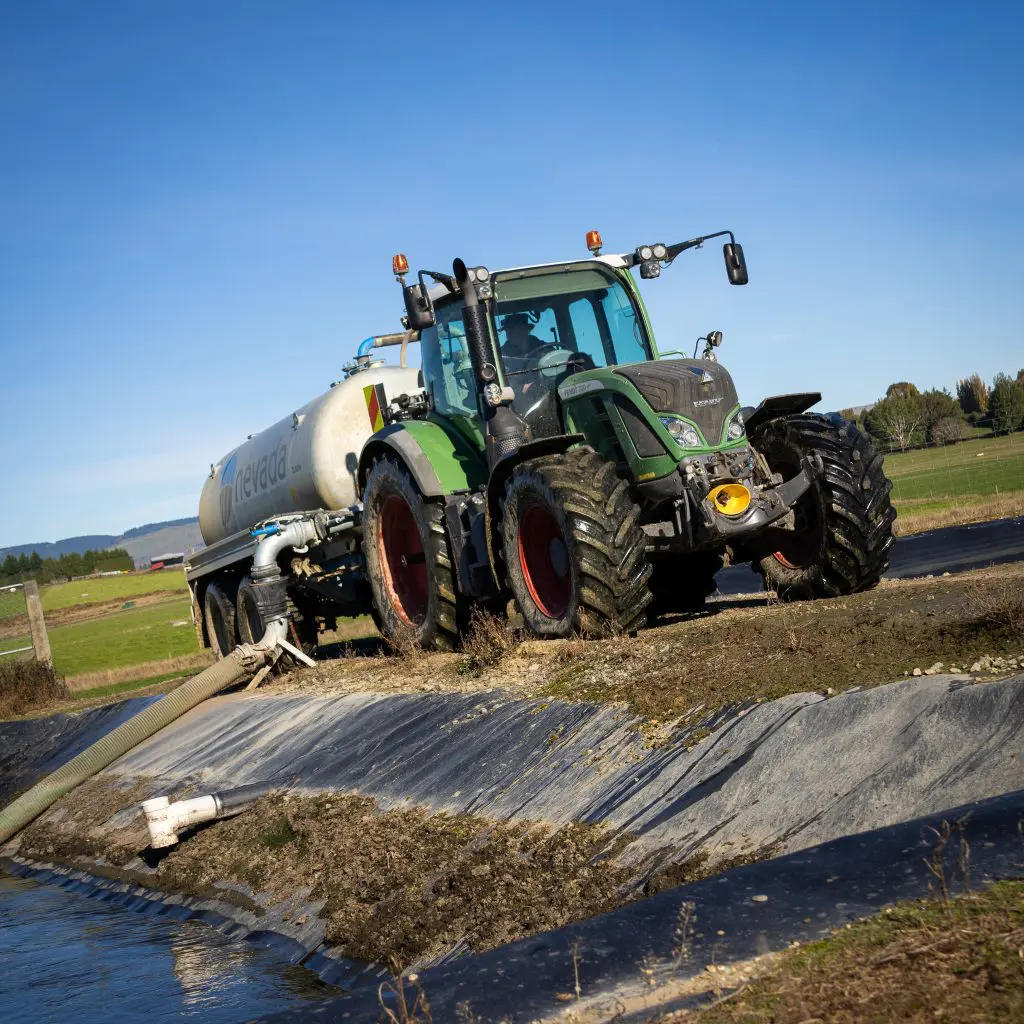
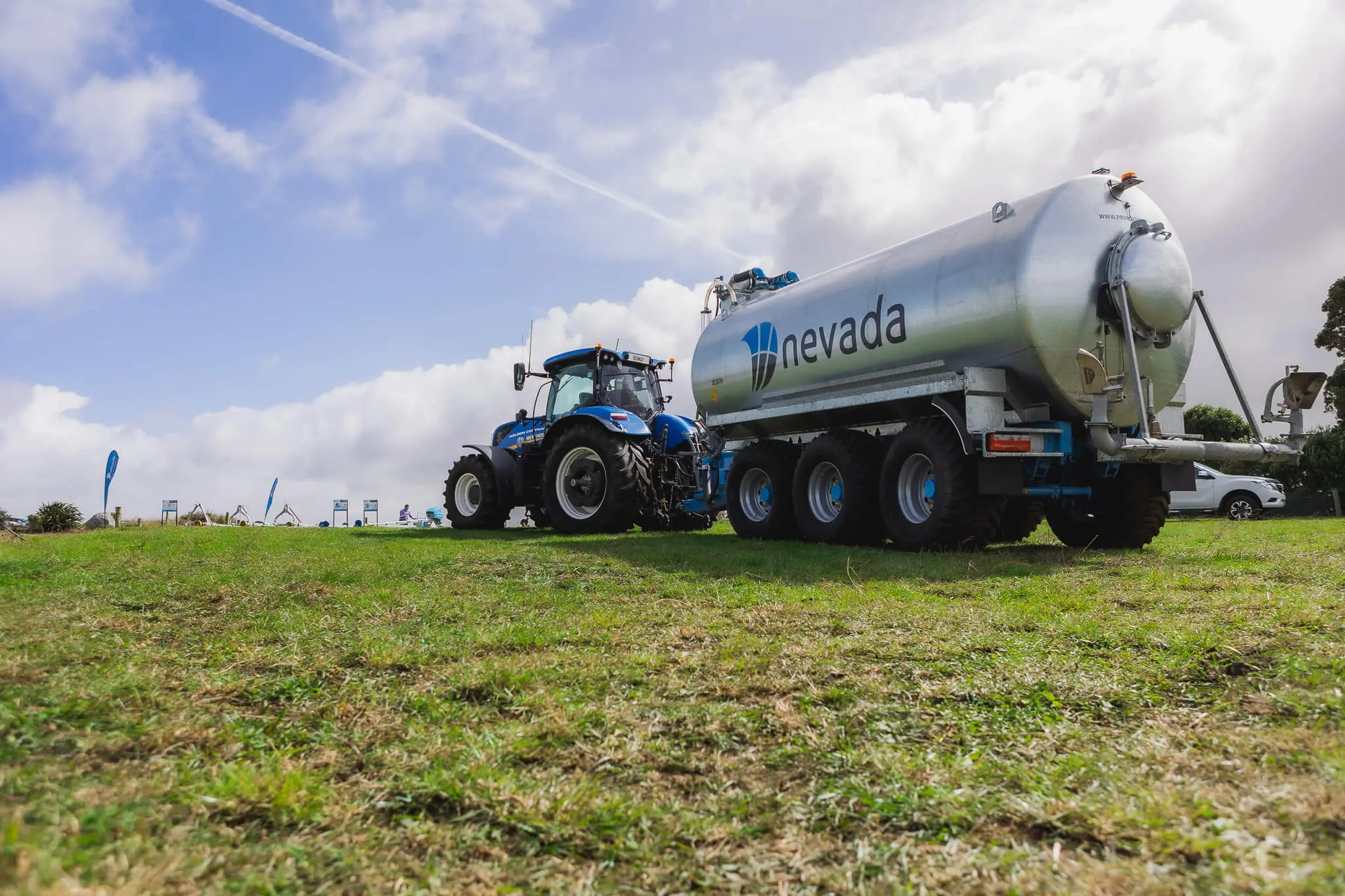
When it comes to choosing a pond stirrer, there are several options available. However, a shore-based pond stirrer is generally the most effective choice.
Floating vertical stirrers push liquid downward from the centre of the pond. This setup can work for small sumps that are only three to four metres wide, but for larger bodies of water, it often lacks the power to circulate the entire pond.
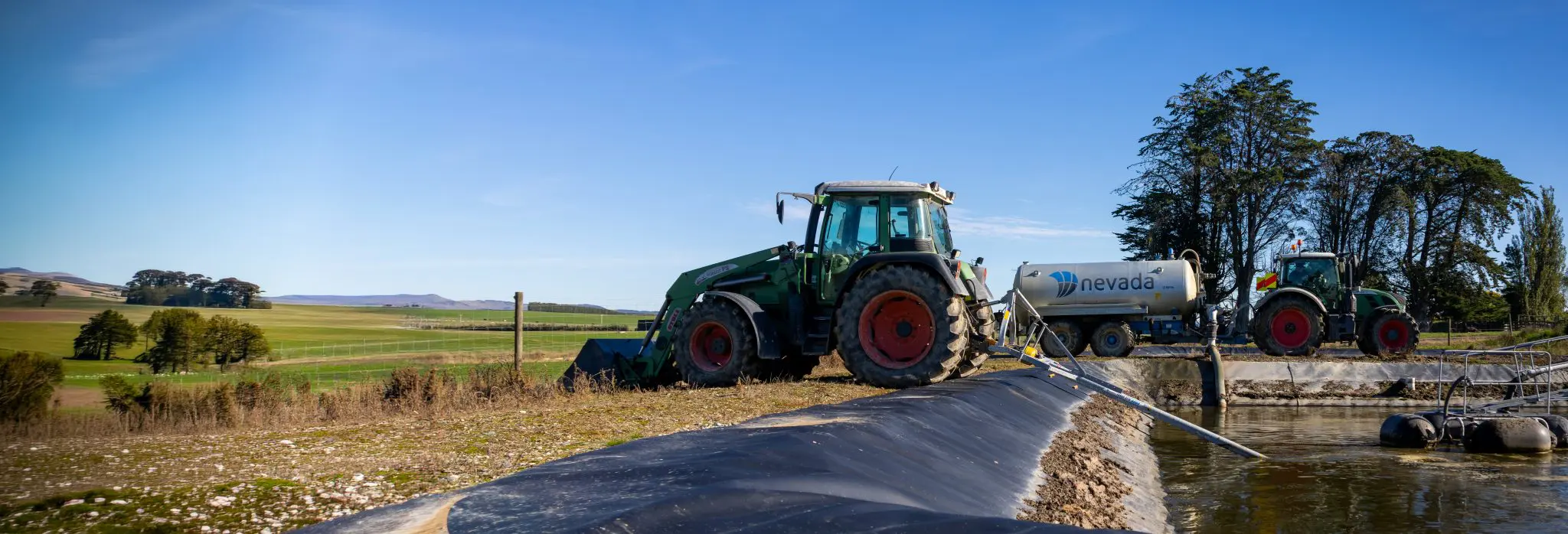
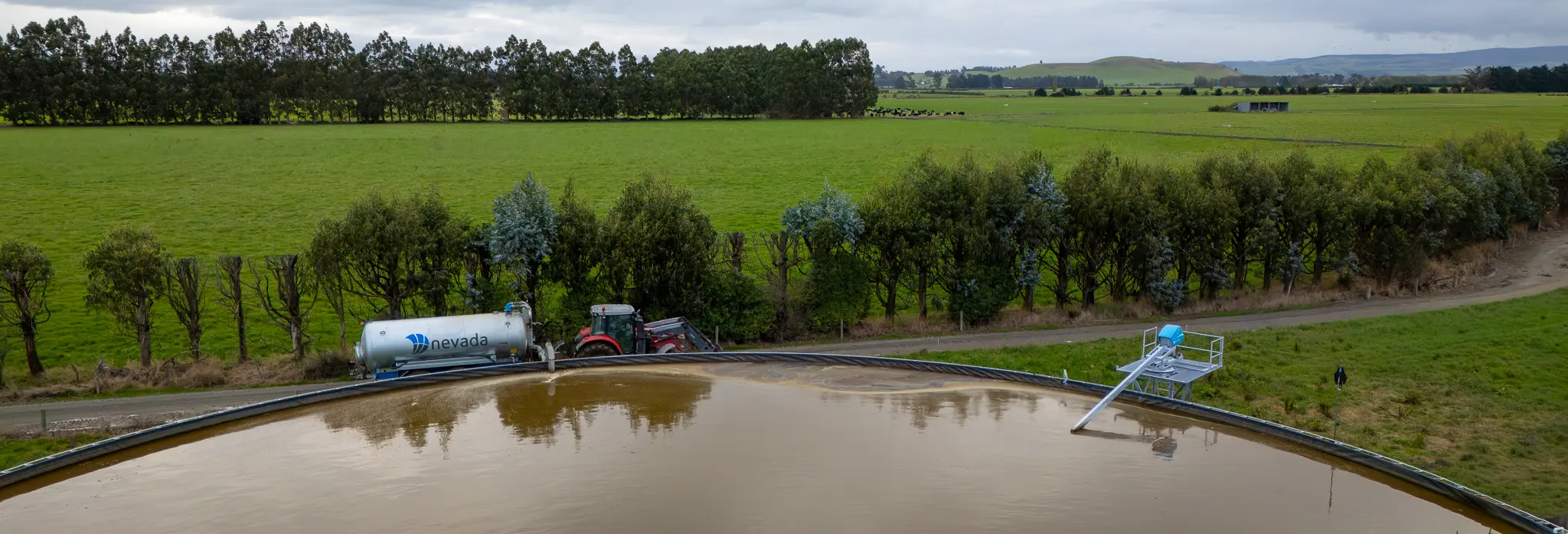
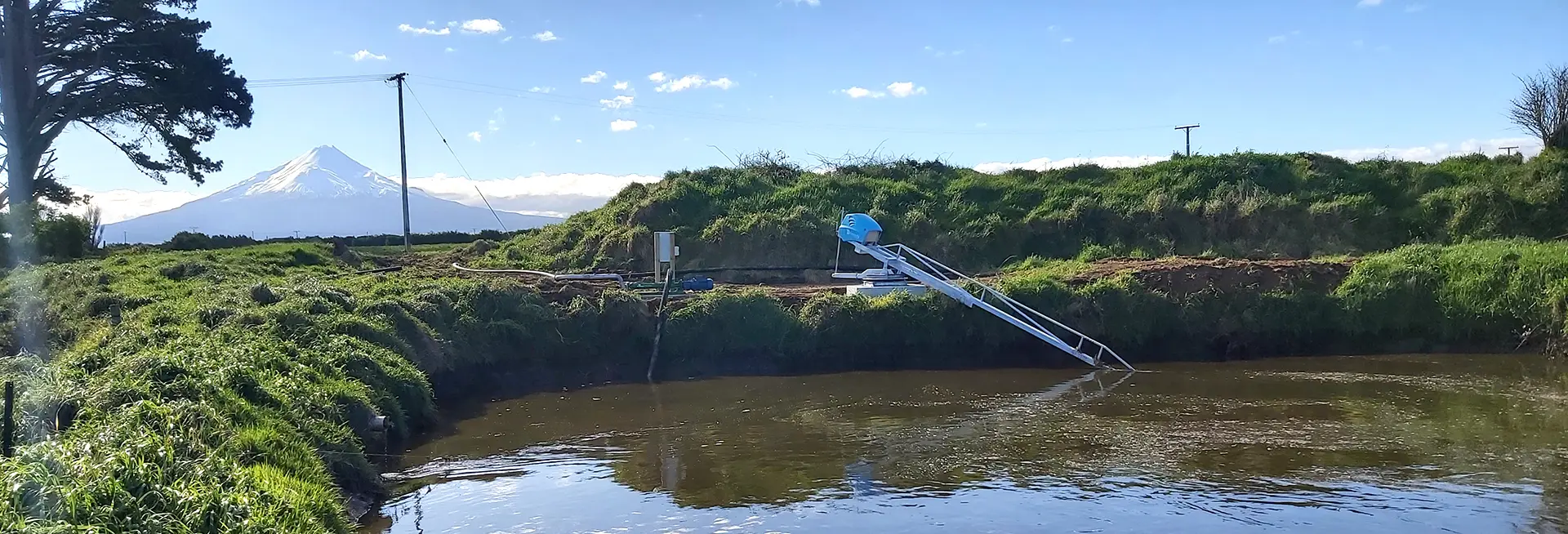
A PTO or electric shore-based stirrer has the power to push the body of liquid around the perimeter of the pond. Once the liquid begins moving, centrifugal force keeps it circulating at around one metre per second. This movement prevents particles from separating and churns the entire pond.
Once mixed, the particles will remain suspended for about an hour. It is therefore a good idea to leave the stirrer running while pumping to ensure the slurry remains evenly mixed during application.
Electric pond stirrers also offer the advantage of running on a timer. This removes the hassle of manual operation and ensures the slurry is ready to spread when required, improving efficiency and strengthening overall return on investment for your pond stirrer.
When effluent ponds are mixed properly, they become nutrient banks rather than simple storage areas.
Instead of losing storage capacity to sludge or crust formation, the full pond volume can be used effectively. Farmers can recover more of the nutrient value already present in the system and apply it where it will deliver the most benefit.
Over time, improved nutrient recovery, reduced clean-out costs, and better pumping efficiency all contribute to a strong ROI for a pond stirrer.
If you need help choosing the ideal stirrer for your farm, the team at Nevada can help you assess your pond layout, storage requirements, and effluent system setup. With the right equipment and mixing strategy in place, you can maximise nutrient recovery and achieve a strong return on investment while making the most of your dairy effluent system.
Get in touch today to discuss the best options for you.
"*" indicates required fields
"*" indicates required fields
"*" indicates required fields
"*" indicates required fields